Trump has zero chance of winning the Nobel Peace Prize
Posted Friday, 9 Oct 2026 by Haakon Gjerløw
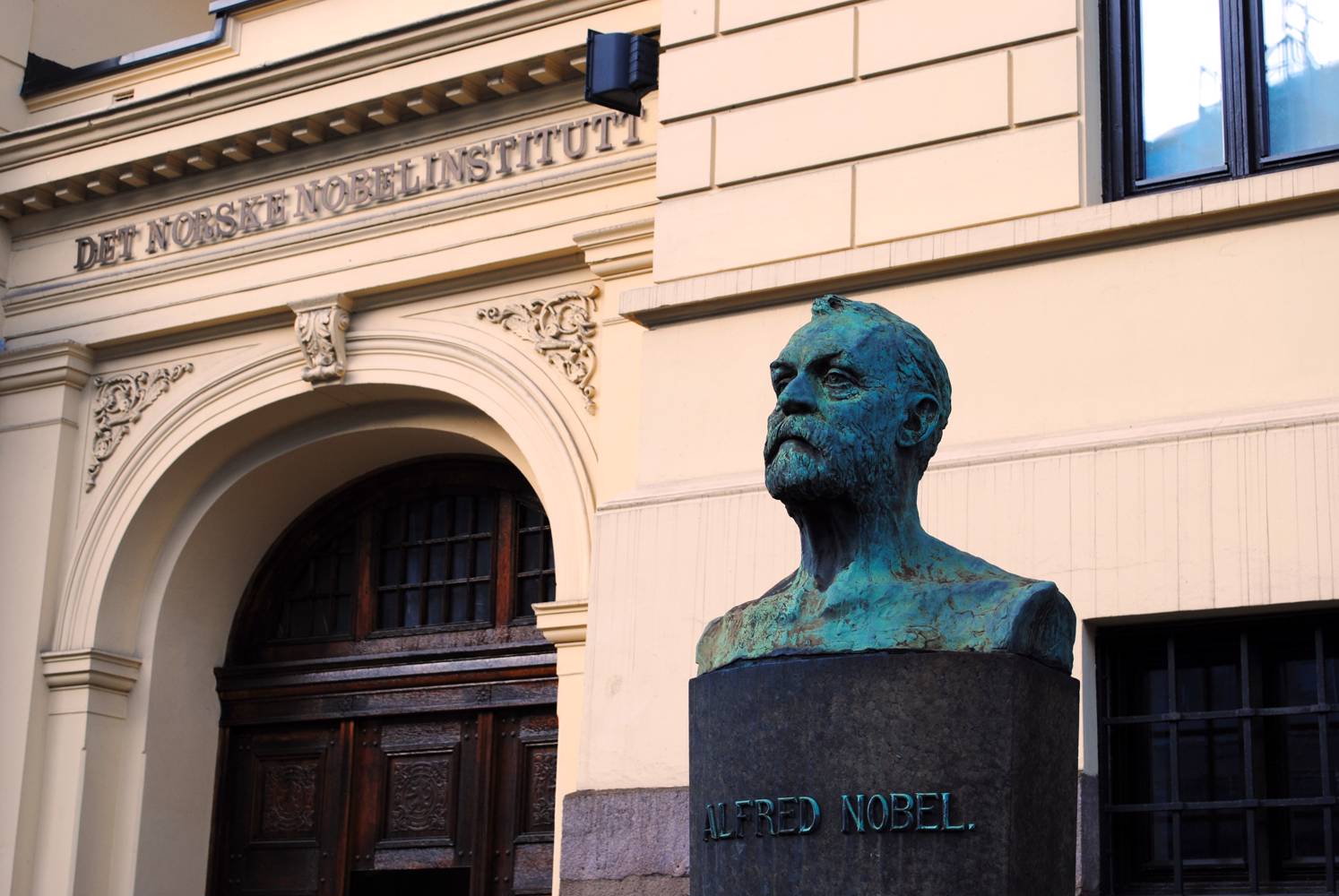
A year ago, Donald Trump seemed convinced that the Nobel Peace Prize should be his. His administration was pushing hard for a peace agreement in Gaza. Trump presented himself as a "peace-maker-in-chief", claiming credit for ending multiple wars around the world. Reports even suggested that he had raised the Nobel Peace Prize in conversations with Finance Minister Jens Stoltenberg. The message was clear: Trump believed he deserved the prize.
This year, the story is very different.
When the Norwegian Nobel Committee announces the Peace Prize tomorrow, Trump stands no chance of winning. Alred Nobel’s will dictates that the prize is awarded on the basis of a candidate's overall contribution to peace, and Trump's recent record does not withstand that test.
Trump has become increasingly associated as much with military confrontation as diplomacy. He has started a war with Iran, carried out military action against Venezuela, and repeatedly threatened to take over sovereign territories. And a UN report published in September highlighted possible war crimes by the US, regarding civilian casualties linked to military operations in Iran.
This US President may not win, but this doesn’t mean his shadow has not lurked over the Committee’s proceedings. On the one hand, a Peace Prize could strengthen the cause of a winner. On the other hand, a Prize could place the recipient under a political pressure that weakens their cause. In this respect, Trump is not different from China- or other political actors fearing the great influence of the Peace Prize, and might react with political pressure towards a winner. This is – and has always been – a balancing act for the Nobel Committee.
As head of the Peace Research Institute Oslo, I publish an annual list of worthy candidates for the prize. This includes Mykola Kuleba and Save the Children, who have worked tirelessly to protect children affected by war, including Ukrainian children abducted during Russia's invasion. Also among the strongest candidates are Sudan's Emergency Response Rooms, volunteer networks that have risked their lives to support civilians amid one of the world's worst humanitarian crises. Their work saves lives every day without attracting headlines, political rallies or social media campaigns.
This morning, when the Nobel Committee announces this year’s laureate, it will have an opportunity to remind the world what the Peace Prize is actually about: not who claims the most credit for peace, but who has made the greatest contribution to building it.
- Haakon Gjerløw is Acting Director at PRIO
- This was first published in Norwegian by Nettavisen
Related comments