Join us for PRIO’s first annual European Security Week, taking place from 18–22 May. The series of events will bring together a diverse group of expert speakers to explore a wide range of issues shaping European security today.
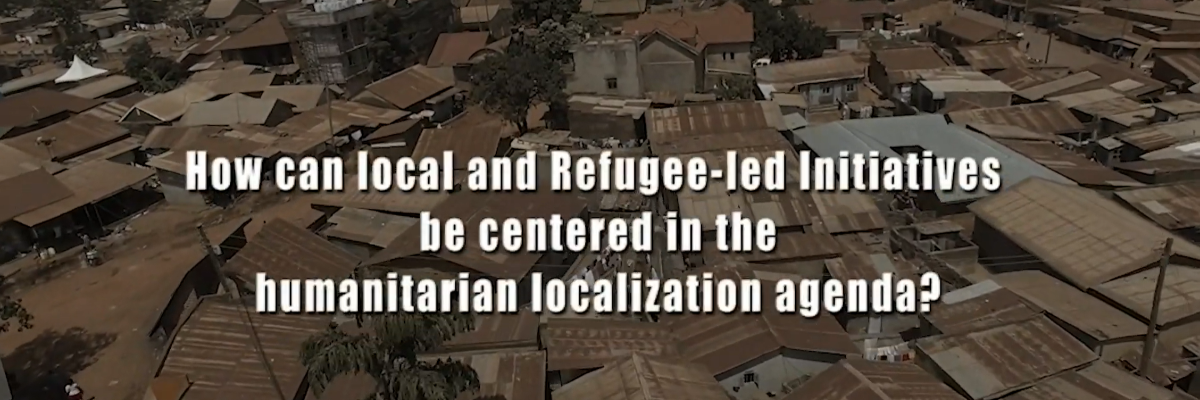
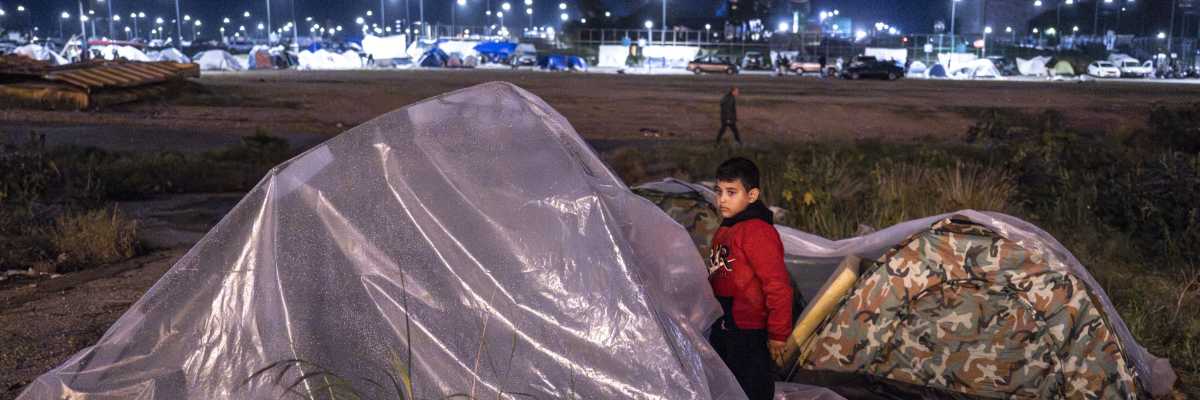
In this upcoming seminar, we will screen a short documentary film on refugee-led community initiatives in Uganda, followed by a panel discussion on the role of localization, refugee-led assistance and innovative funding mechanisms.
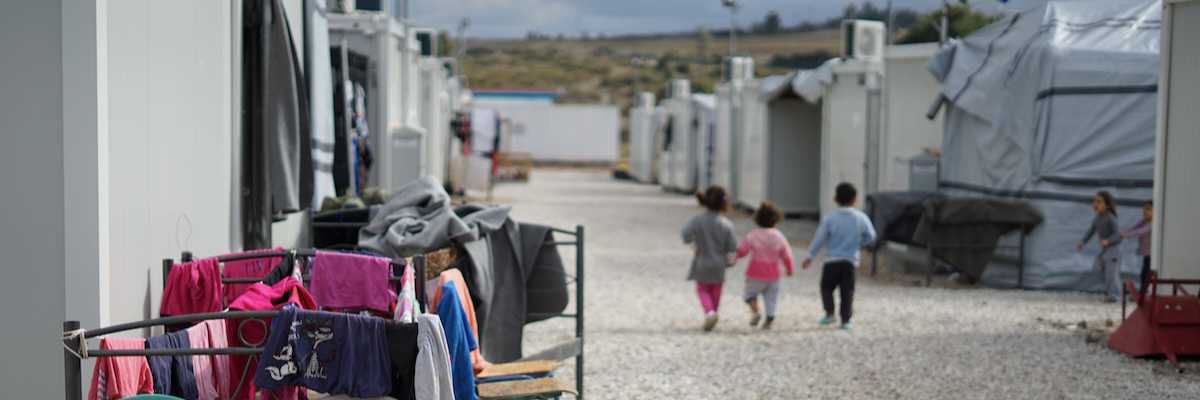
This conference will look at the findings of the EuroWARCHILD project which explored the experiences and needs of three generations of children born of war in Europe, Norway, Denmark, Germany, Bosnia, and Herzegovina and Kosovo.
PRIO’s Director announced her list of potential worthy recipients of the Nobel Peace Prize, including Save the Children, the Committee to Protect Journalists and the World Trade Organization.
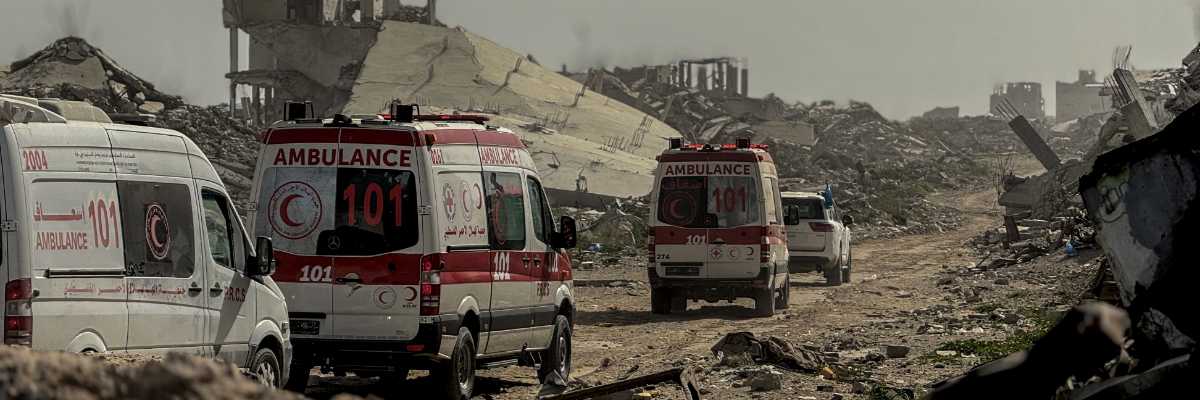
A new study co-authored by Research Professor Håvard Hegre finds that the human cost of the conflict in the Gaza Strip was significantly higher than previously recorded by local health authorities.
Jason Hartwig of Yale University has been awarded the 2025 Nils Petter Gleditsch Article of the Year Award for his journal article entitled, 'The end of rebel rule: Biased peacekeeping interventions and social order'.
Researchers Pinar Tank and Jørgen Jensehaugen present ten key points to understanding the dynamics behind the Israeli war on Lebanon and its potential consequences.
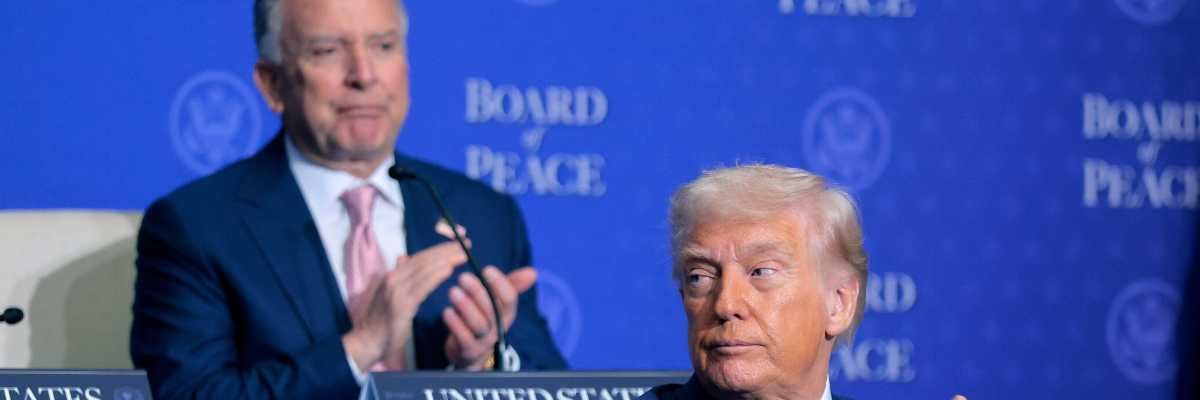
US President Donald Trump’s Board of Peace risks turning peace into a transactional, elite-driven process that reduces diplomacy to an exclusive marketplace of influence, argues Researcher Teresa Almeida Cravo.
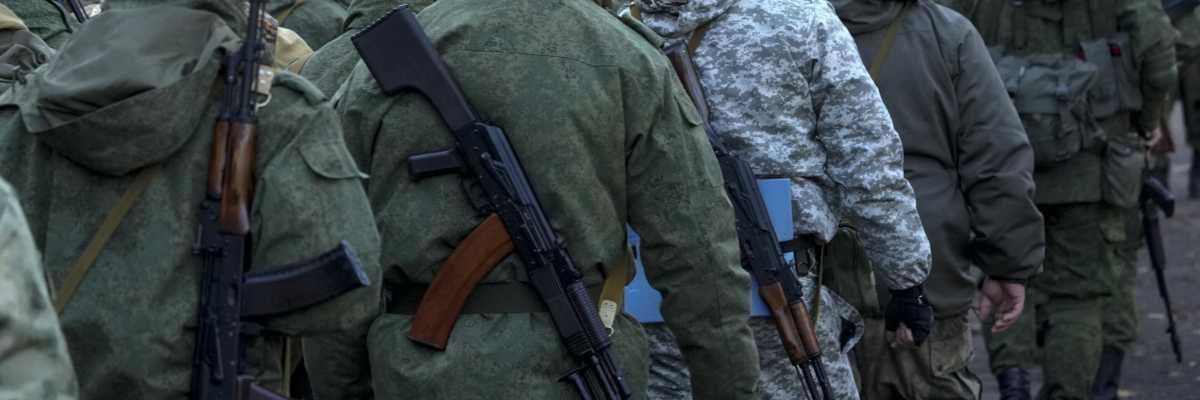
Russia’s war effort is stalling amid mounting economic strain and uncertainty, with the Kremlin buying time rather than advancing decisively, writes Research Professor Pavel K. Baev.
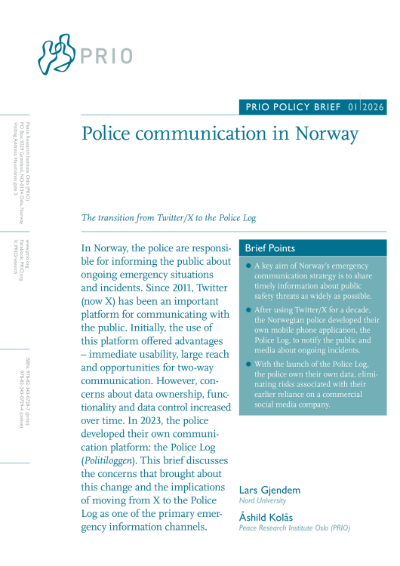
This article examines why Norwegian police moved from Twitter/X to their own platform, ‘Politiloggen,’ and analyzes the motivations and implications of this shift for how authorities communicate emergency information to the public.
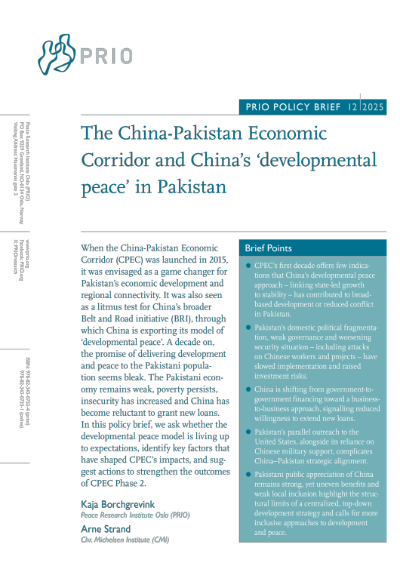
This Policy Brief looks at how China uses large infrastructure and investment projects in Pakistan, especially the China–Pakistan Economic Corridor, to promote stability and economic growth. It argues that a number of reprioritizations are required to prevent initial achievements from dissipating.
Rapid urbanization and youthful population growth are reshaping African cities, with these demographic shifts having major implications for political dynamics, governance and development outcomes.
The EU is changing its defence strategy from guarding borders on the ground to controlling the air and space above Europe using advanced technology. This new approach, that the authors call the vertical territorialisation of security, helps EU countries work together to face today’s security challenges.
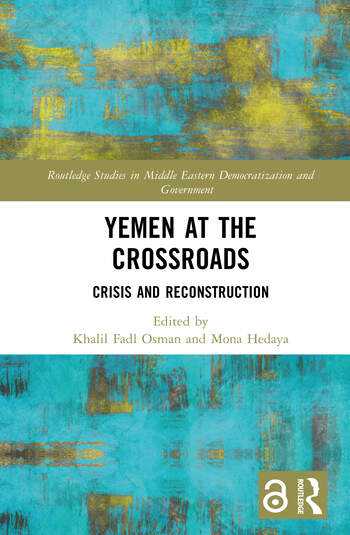
Drawing on global data from 126 disarmament, demobilisation and reintegration programmes (DDR), this publication identifies key lessons for a future DDR process in Yemen.