Join us for PRIO’s first annual European Security Week, taking place from 18-22 May. Events include 'The politics of European rearmament;' 'Rethinking European security: technology, energy and diplomacy;' 'Cognitive threats and democratic resilience;' and 'The struggle for influence between Russia and the EU.'
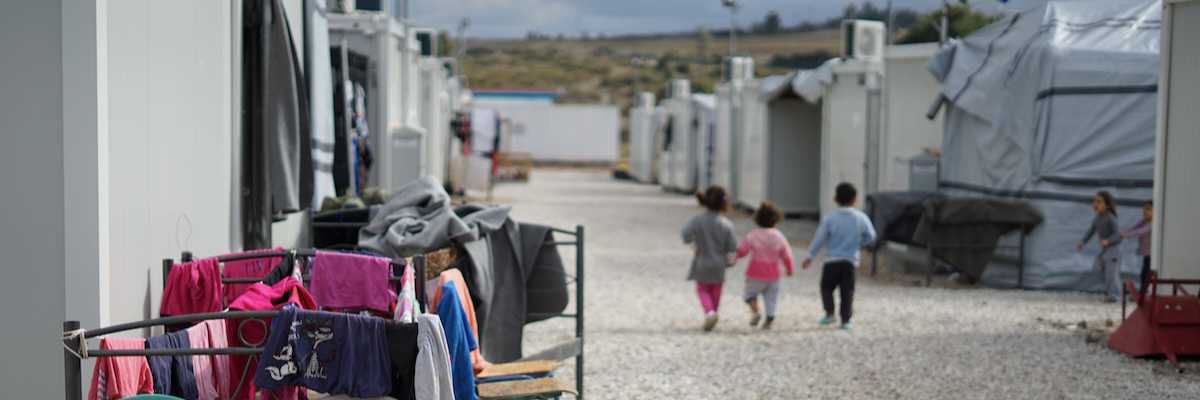
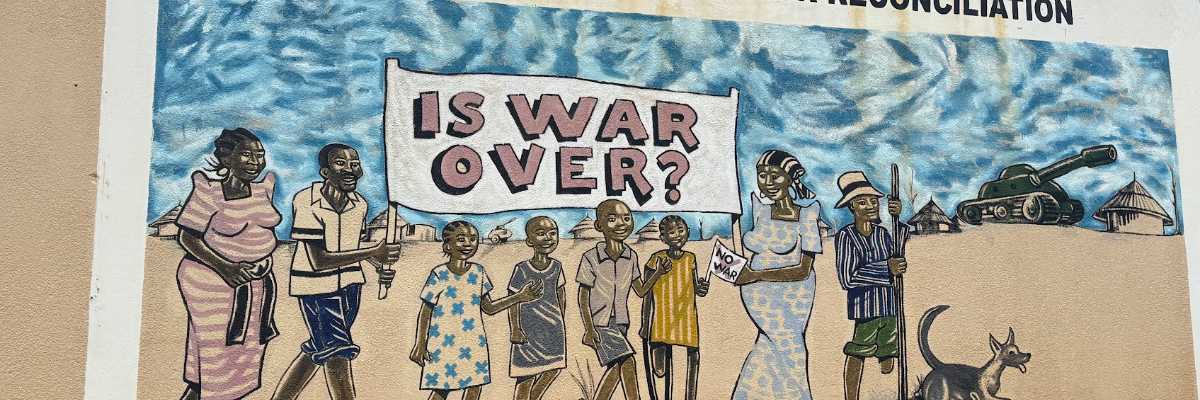
This conference will look at the findings of the EuroWARCHILD project, which explored the experiences and needs of three generations of children born of war in Norway, Denmark, Germany, Bosnia and Herzegoina and Kosovo.
Research Professor Hilde Henriksen Waage has been awarded the 2026 Freedom of Expression Prize by the Fritt Ord Foundation, in recognition of her decades-long commitment to critical, research-based inquiry and public debate.
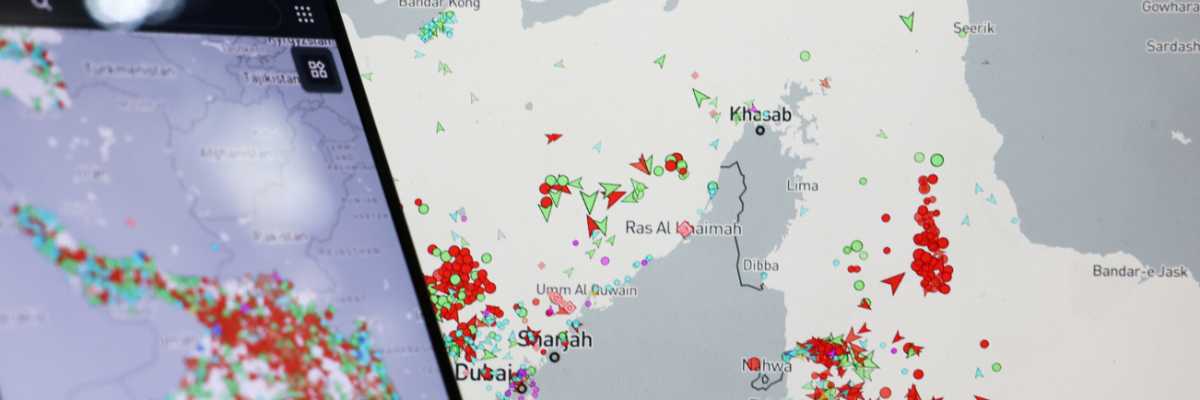
Airstrikes on Iran caused heavy damage but failed to achieve US political goals. As the ceasefire neared its end, the US faced the same problem in a more unstable region, write Chandler Williams, Scott Gates and Andreas Forø Tollefsen.
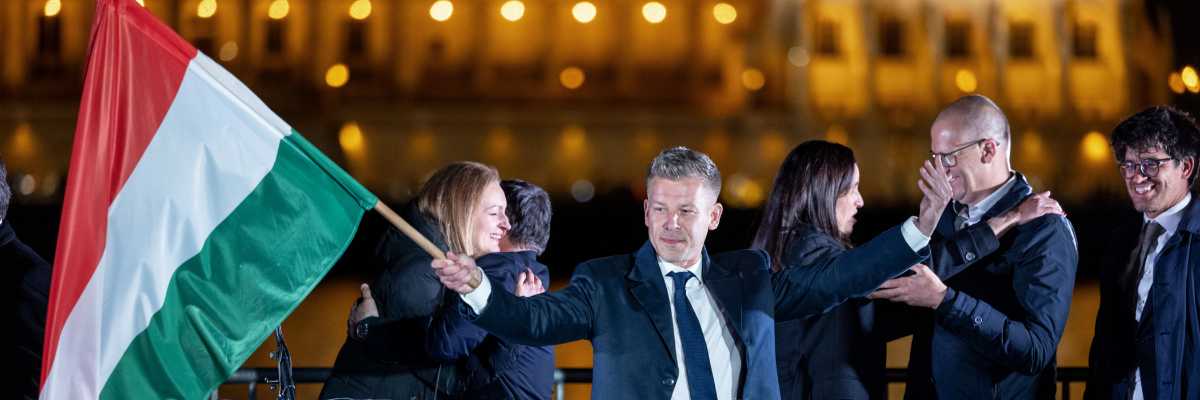
The crushing defeat of Viktor Orbán’s seemingly entrenched and deeply corrupt political regime in Hungary signifies a massive setback for Russia’s foreign policy, which reinforces the pattern of failed partnerships and cancelled friendships, writes Research Professor Pavel K. Baev.
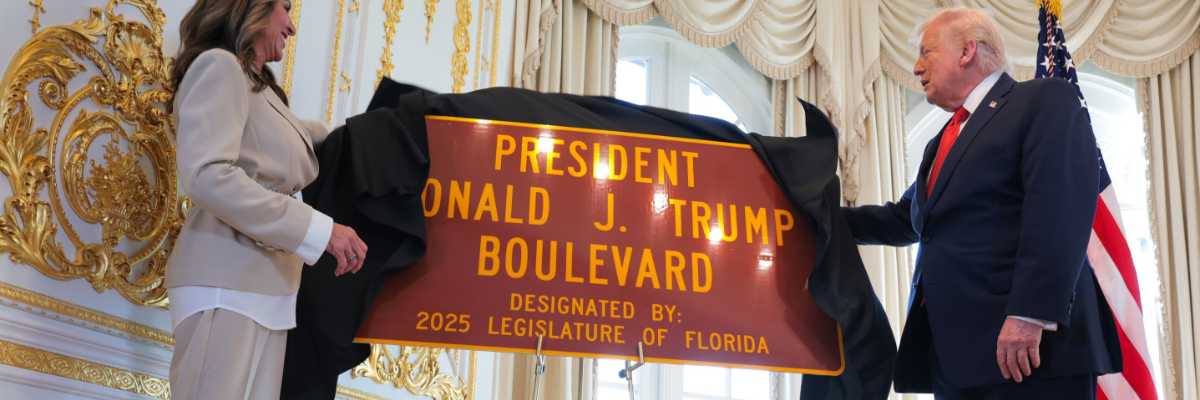
US President Donald Trump’s ego-driven unpredictability breaks with traditional political realism, making diplomacy unstable and uncertain, while still requiring nations to defend both their values and interests, writes Research Professor Henrik Syse.
Attacks on schools in war traumatize children, disrupt learning, and cause lasting poverty and lost opportunity, argue researchers Gudrun Østby, Roos van der Haer, Jacklyn Makaaru Arinaitwe and Francis Mwesigye. They call for stronger protections, more funding and long-term recovery support.
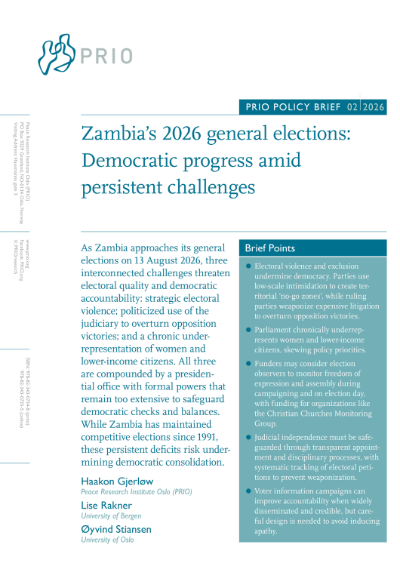
Ahead of Zambia’s general elections in August, this policy brief highlights how institutional imbalances, political tensions, and risks of electoral violence may challenge democratic accountability and consolidation.
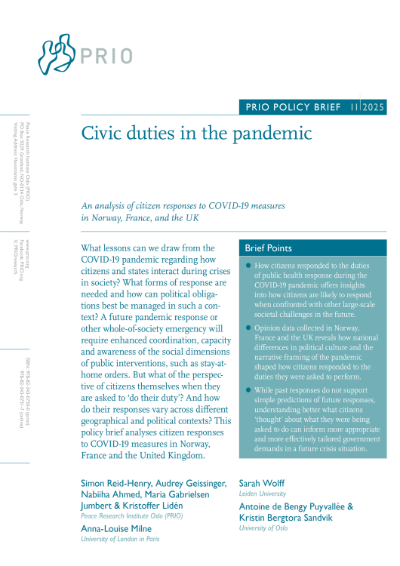
The policy brief finds that trust in government and local political culture strongly shaped public compliance with COVID-19 rules in Norway, France and the UK. It argues that future crisis responses should focus on trust and country-specific messaging.
This article examines how the arrival of forcibly displaced populations shapes political trust in African host communities.
The article uses a survey-based approach to address the conservative bias in UCDP conflict data, and estimates uncertainty in reports of how many people die in conflicts.
This article highlights how urbanization is reshaping political dynamics in African cities, showing how changing settlement patterns can transform state–society relations.
PRIO is hiring for the position of Executive Assistant to the Institute's Director. The position will work closely with and advise PRIO's leadership and actively contribute to institutional management and governance.