Join us at Arendalsuka for a panel discussion on how shifting global power is changing the role and influence of countries like Norway in international affairs.
At Arendalsuka, we will also hold an event on how governments should prioritize investments in preparedness for crises such as war, pandemics and climate disasters, and the ethical choices involved. This event will be held in Norwegian.
This Arendalsuka event will discuss whether Norwegian peace diplomacy still has a role in an increasingly polarized and competitive world.
PRIO is a partner in The Norwegian Centre for International Economics (NORCIE) which launched in June in Oslo, bringing together leading researchers from across Norway to address some of the most pressing challenges facing the international economy.
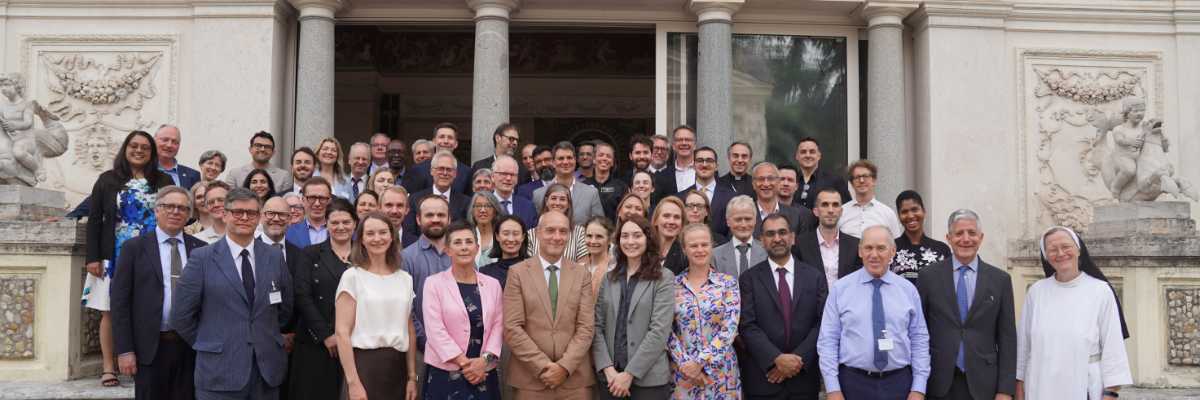
PRIO convened global experts in Vatican City to explore how satellite technology can strengthen peacebuilding and humanitarian action.
PRIO Senior Researcher Jonas Vestby received funding from the Research Council of Norway to test whether AI tools can be used to turn conflict data into a knowledge graph. The project will assess how accurate, complete, reliable and user-friendly this approach is, and whether it can be scaled up.
Calling ongoing, deadly conflicts ‘ceasefires’ weakens the term and risks normalizing violence during supposed pauses in fighting, argue Research Director Siri Aas Rustad and Research Professor Jørgen Jensehaugen.
AI's political impact depends more on institutions than the technology itself, argue researchers Ilaria Carrozza, Giacomo Bruni, Marianne Dahl, Kevin Slaten, Hans Tung and Yaqiu Wang.
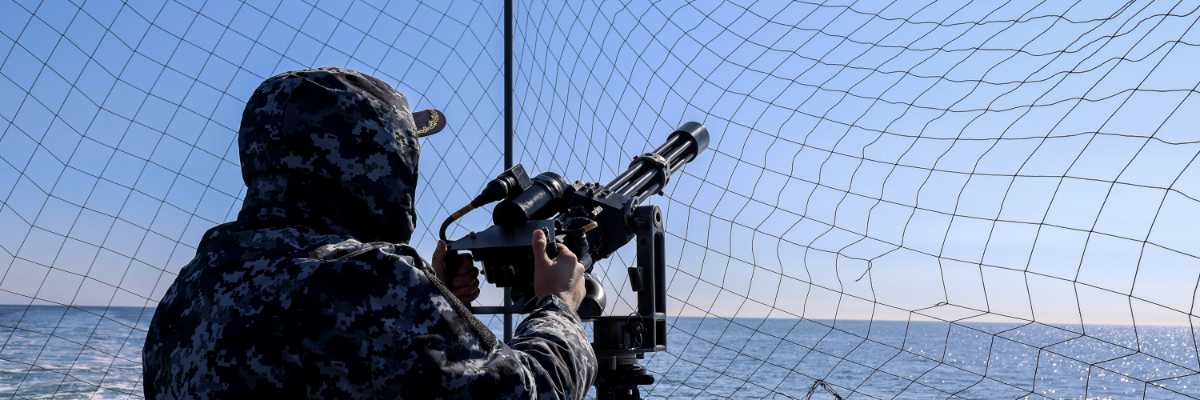
Ukraine’s growing use of drones is changing the war in the Black Sea, putting more pressure on Russia in Crimea and opening the door to possible efforts to reduce tensions, writes PRIO Research Professor Pavel Baev.
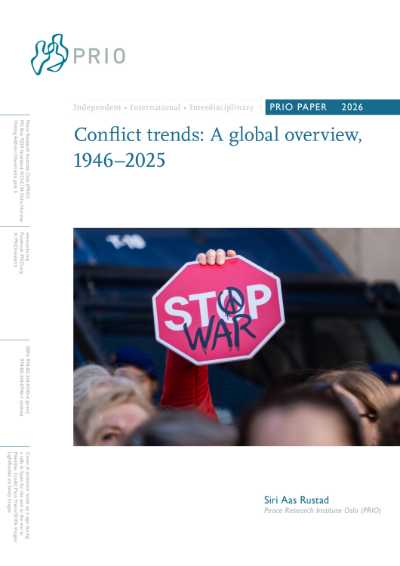
The number of armed conflicts fought directly between states doubled in 2025, reaching the highest level recorded in over 80 years, according to PRIO’s annual report mapping global conflict trends.
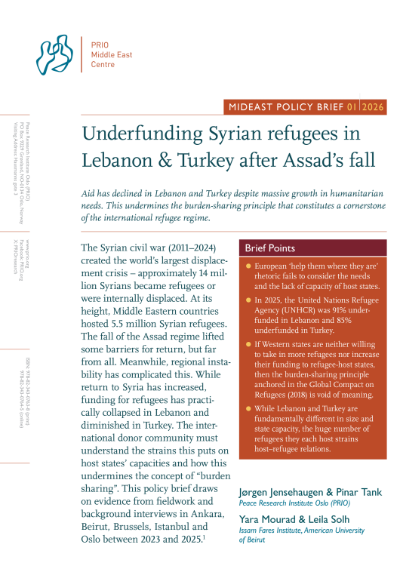
This policy brief argues that declining international funding is leaving Lebanon and Turkey unable to sustainably host Syrian refugees, undermining the global principle of refugee burden-sharing.
The journal article argues that climate change impact assessments overlook the major role of peace and governance, and should incorporate these factors in the scenarios to better predict future climate outcomes.
This study finds that attacks on schools and students in Nigeria reduce school enrollment and years of education, especially in urban areas, for boys and for children from households where the head is less educated.
Political deadlines can drive people to flee before violence occurs, argues this article, as anticipation of danger shapes decisions about whether and when to leave.
The article argues that Pakistan’s migration policies overlook everyday mobility challenges, especially for vulnerable and climate-displaced communities, creating a gap between policy and lived realities.