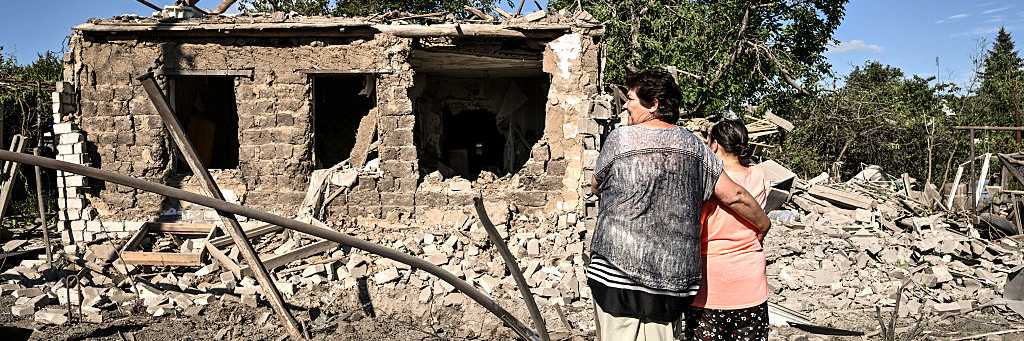
This event will assess a decade of Colombia's Peace Agreement, exploring how former combatants, communities and bureaucrats involved in peace implementation in conflict-affected territories understand the challenges of sustaining peace.
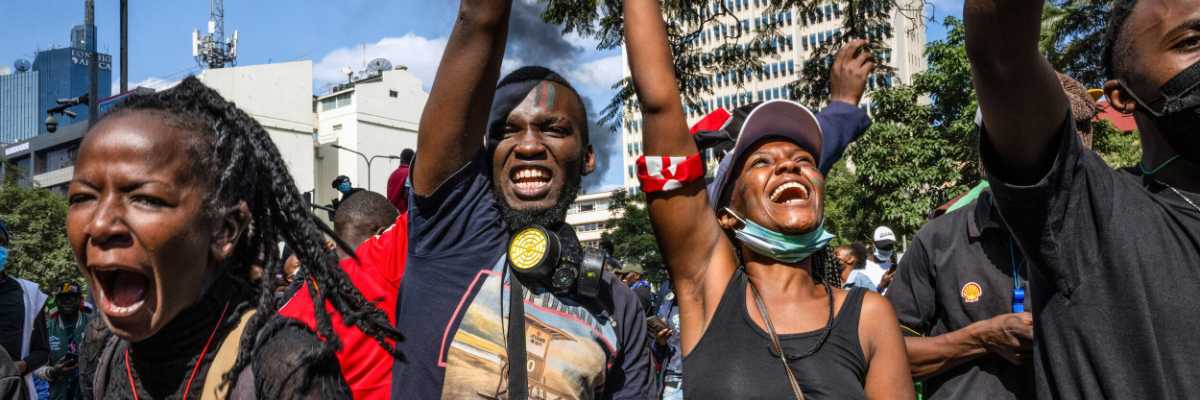
This upcoming event draws on surveys across 38 African countries to explore young Africans’ commitment to democracy amid dissatisfaction with governance, economic challenges and declining trust in political institutions.
Don’t worry if you weren’t able to catch PRIO’s events on peace diplomacy, total preparedness or the new world order at this year’s Arendalsuka festival, as you can watch them online here.
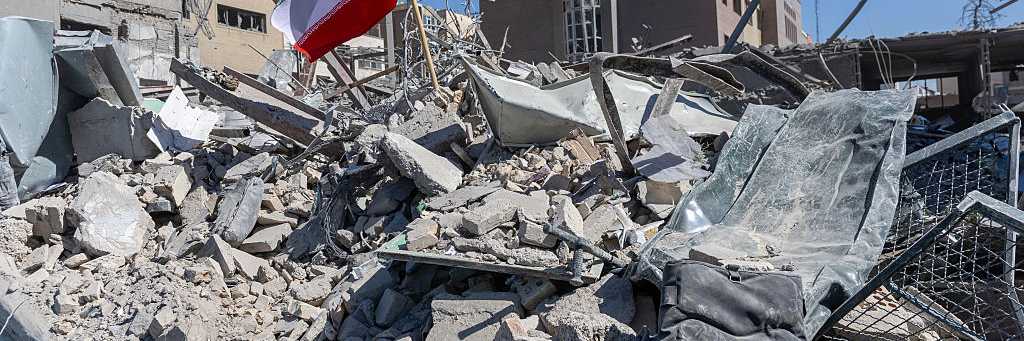
Almost one in five women globally were living within 50 kilometres of a deadly conflict event in 2025, according to a new PRIO report.
Norwegians see Israel, Russia, the United States and Iran as the countries most likely to contribute to a future war involving one or more great powers, according to the Annual PRIO Survey on Norwegian Perceptions of War and Peace.
PRIO’s groundbreaking new BRIDGE project will use AI and knowledge graphs to connect conflict data and make decades of peace and conflict research easier to navigate, compare and use.
US support for Israel remains strong, but rapidly shifting American public opinion and growing political divisions could ultimately reshape the relationship, argues Research Professor Jørgen Jensehaugen.
This article argues that today's global order is changing, not simply falling apart, as shifting power, social forces and changing international norms reshape how countries work together.
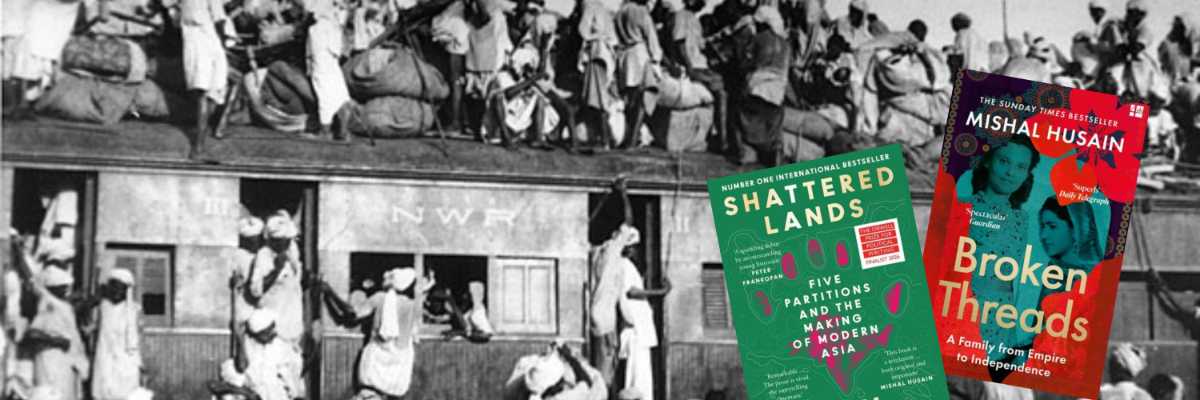
The 1947 Partition of India and Pakistan reshaped millions of lives through migration and new borders, while also revealing enduring connections, coexistence and shared humanity, writes Research Professor Marta Bivand Erdal.
Armed conflict reduces children's school enrollment, but violence that specifically targets children – such as child soldier recruitment and sexual violence – has an even greater impact, especially for girls.
Civil wars are more frequent near the Equator, but why? A new study finds that institutions and development are relevant intermediate factors, but common correlates of civil war explain surprisingly little of the spatial variation in conflict risk.
Southeast Asian states are not simply adopting or resisting competing digital governance models, but combining foreign and domestic norms to create hybrid approaches, despite China’s growing technological presence.
Political deadlines can drive people to flee before violence occurs. This article shows how anticipation of danger shapes decisions about whether and when to leave.