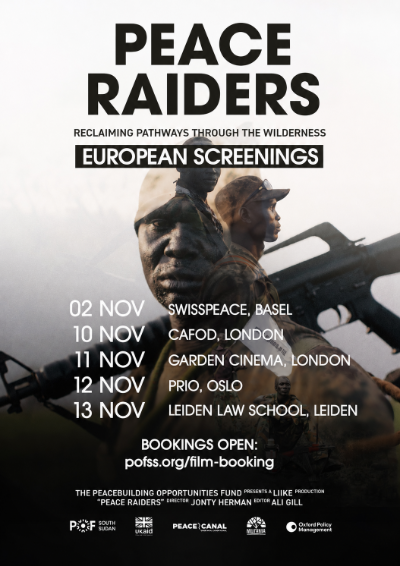
This film screening follows a South Sudanese grassroots initiative to reopen long-closed travel routes in the country, rebuilding connections and strengthening relationships.
Watch PRIO’s recent event on how democratic decline and violent conflict should shape Norway’s foreign, security and development policies.
Watch PRIO’s recent event on how digital technologies and corporate patents are shaping border control, migration governance and security practices.
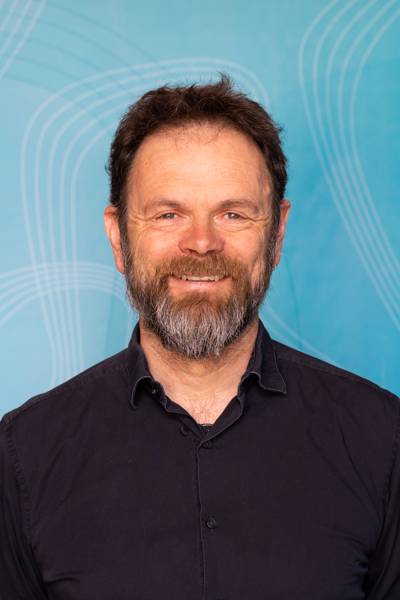
PRIO is looking for an engaged and unifying leader who will help further develop our globally renowned research institute and strengthen the role of peace research nationally and internationally.
Several PRIO researchers have been named among the world's most-cited scientists, highlighting the global influence, breadth and relevance of PRIO's research on today's most pressing challenges.
The 2026 Oscarsborg Symposium gathered leaders and experts from business, government, and research to examine the critical roles and conditions of businesses in defense and preparedness.
Historian and PRIO Research Professor Hilde Henriksen Waage has been awarded the prestigious Norwegian transparency prize, ‘Åpenhetsprisen'.
PRIO Research Professor Håvard Hegre has been awarded a prestigious Hernes-CAS Mobility Grant to develop a new research project exploring whether the long-term global trend towards more peaceful politics is continuing or beginning to reverse.
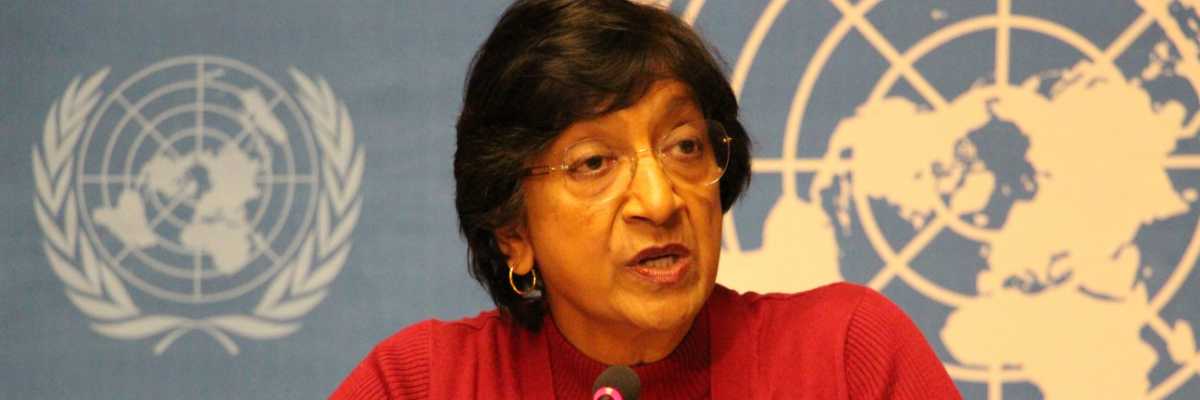
Awarding the Nobel Peace Prize to Navi Pillay strengthens the view that Israel is responsible for genocide in Gaza, and highlights the importance of international justice and accountability, argues Research Professor Jørgen Jensehaugen.
There is a persistent lack of attention to the gendered dimensions of Norwegian emergency preparedness, argues Senior Researcher Torunn L. Tryggestad.
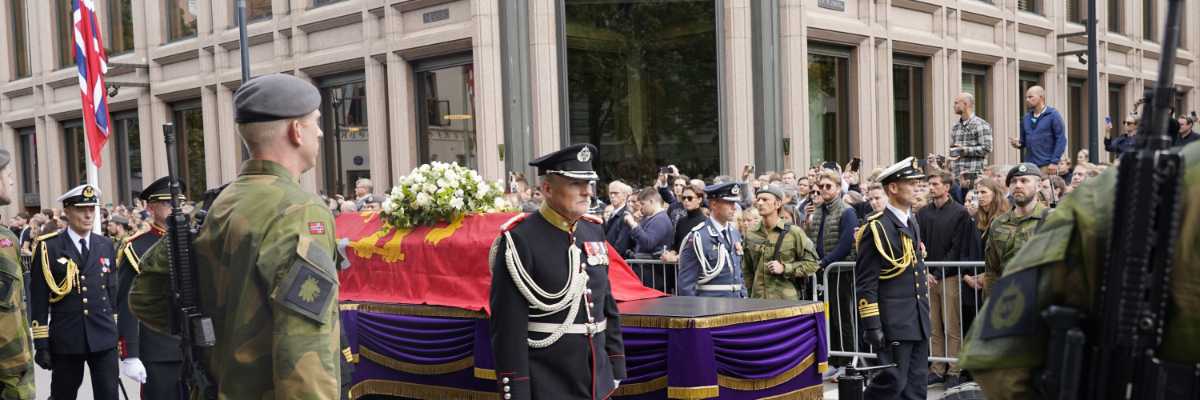
Surveying the same Norwegians before and after King Harald V’s funeral, PRIO’s Júlia Palik and Robert Jagiello found that those who felt their grief was shared with others came to feel more fused with the nation and trusted each other more. The findings shed light on the social bonds that underpin preparedness.
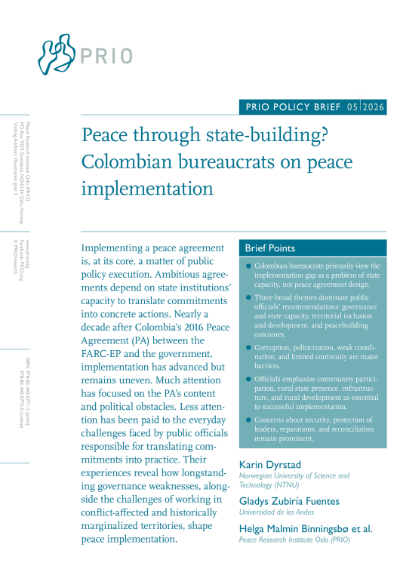
This policy brief argues that Colombia’s peace agreement is held back less by its design than by gaps in state capacity. Strengthening institutions, expanding territorial inclusion, and advancing security and victims’ rights are seen as critical to realizing its full promise.
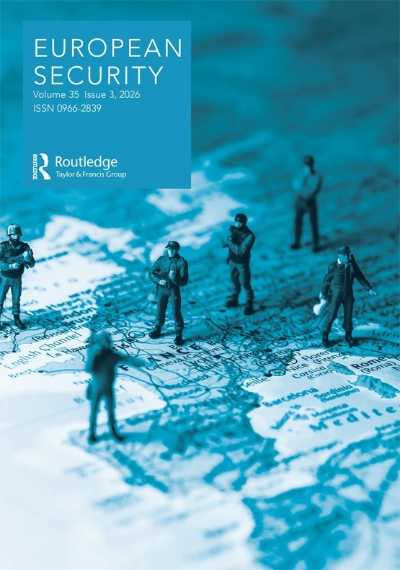
Europe’s rearmament is about much more than higher military spending. It is changing what counts as defence production, and the roles played by governments, companies and European institutions.
This study formalizes that crime conditions the impact of inequality on political behavior. At low levels of crime, inequality raises support for leftist parties. When crime is high, it increases support for rightist parties endorsing law enforcement policies. Evidence from Latin America supports the argument.
This article looks at the increasing reliance of Europe’s rearmament on disruptive technologies, raising concerns about democratic oversight and dependence on private tech firms.