More children than ever live in conflict zones
Posted Thursday, 19 Nov 2026 by Gudrun Østby & Siri Aas Rustad

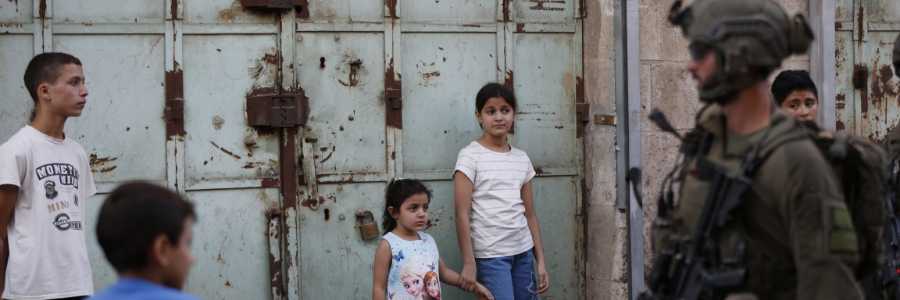
More children now live near armed conflict than the combined populations of the United States, Canada and Mexico.
Armed violence escalated sharply across the globe in 2025. Data from the Uppsala Conflict Data Program (UCDP) shows that conflict-related fatalities rose to 244,600, up from approximately 187,000 in 2024. This made 2025 one of the deadliest years since the end of the Cold War. Much of the increase was driven by a dramatic rise in violence targeting civilians, particularly in Sudan.
While armed conflict affects entire populations, children are among those who suffer the most severe and lasting consequences.
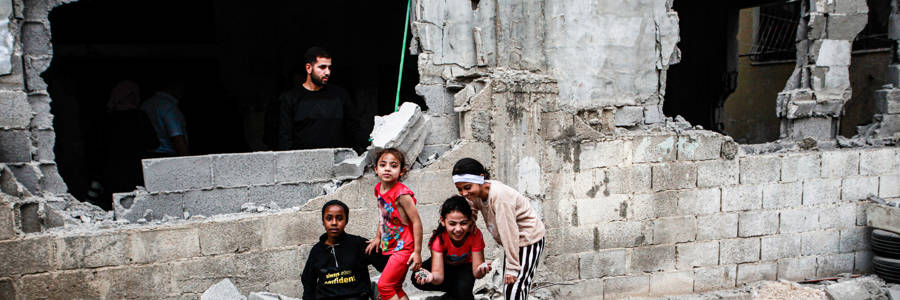
Children face grave violations, including killing and maiming, recruitment by armed groups, sexual violence, abduction, attacks on schools and hospitals, and denial of humanitarian access. But the consequences of war extend far beyond direct violence. Children living in conflict-affected areas are more likely to drop out of school, lack access to clean water, and face heightened risks of death from illness, malnutrition, or lack of vaccines and medical care.
Today, Save the Children launches its new report, Stop the War on Children 2026. The report is based on PRIO’s tenth annual mapping of children in armed conflict covering the period 1990–2025.
Our latest estimates show that 589 million children, more than one in five of the world's children, were living in conflict zones in 2025. This represents a 7% increase from 2024, when an estimated 550 million children were affected. It marks a new all-time high both in absolute numbers and as a share of the global child population.
While the figures have fluctuated from year to year, the long-term trend is clear. The proportion of children living in conflict zones has more than doubled since the mid-1990s, rising from around 10% to 23.4% in 2025.
How we estimate the number of conflict-affected children
Most conflicts occur within limited, localized areas of countries. To estimate the number of children living in conflict zones, it is essential to isolate these areas. The UCDP Georeferenced Events Dataset (UCDP GED) provides precise data on the location of each separate conflict event or incidence of organized violence, including geographical coordinates. Using this data, we map circles with a 50 km radius around each conflict event and estimate the number of children residing within these areas based on population data from CIESIN and the United Nations. We define children affected by conflict as those living within 50 km of one or more conflict events. This 50 km radius is considered a reasonable distance within which conflict can significantly disrupt children's daily lives.
Key findings from the latest update
- An estimated 1.5 billion children lived in a conflict-affected country in 2025. Of these, 589 million, more than one in five children worldwide, lived in a conflict zone.
- 355 million children lived in high-intensity conflict zones (with 1,000 or more battle-related deaths) in 2025. This represents an increase of more than 11% from 319 million in 2024.
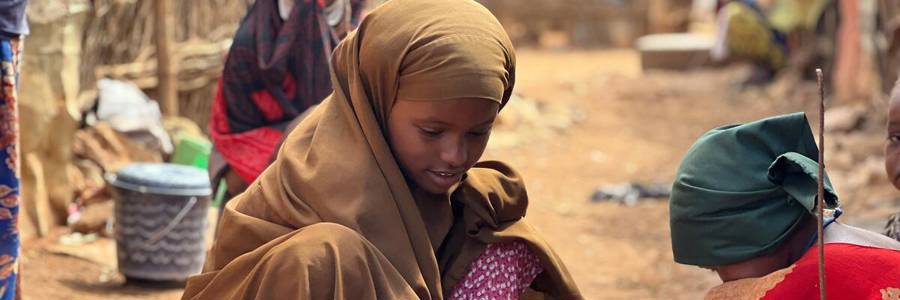
- Africa had the largest number of children living in conflict zones, with 260 million. The Middle East had the highest share relative to its child population, at 40.2%.
What can be done to protect children in conflict zones?
Now, more than ever, the need to protect millions of children in conflict zones is urgent. While the devastating impacts of war in Ukraine and the Middle East continue to demand sustained international attention, the growing concentration of conflict-affected children in Africa underscores the need for greater focus on the continent. Africa is now home to 44% of the world's conflict-affected children, and humanitarian needs continue to rise rapidly.
Addressing the growing impact of armed conflict on children worldwide will require sustained commitment from governments, donors, humanitarian organizations, and local communities. Priorities include:
- Invest in research and data collection to better understand how armed conflict affects children.
- Ensure adequately resourced and high-quality peacekeeping operations in conflict-affected areas.
- Partner with local peacebuilders and place children's needs at the centre of peace processes from the outset.
- Establish and protect safe spaces where children can learn, play, and access essential services.
- Strengthen accountability mechanisms, including credible sanctions against armed groups responsible for grave violations against children.
- Increase support to conflict-affected countries to rebuild essential infrastructure, particularly education and health systems, at a time when aid budgets are under growing pressure.
For more information, read Save the Children’s full 2026 report, Stop the War on Children 2026. Available at: https://resourcecentre.savethechildren.net/document/stop-the-war-on-children-changing-the-odds-2026
For a policy brief describing our update of the annual mapping of children affected by armed conflict, read our PRIO Conflict Trends Policy Brief 0X/2026: ‘Children Affected by Armed Conflict, 1990–2025’
Related comments