PRIO recently hosted a national network gathering that brought together people from more than 20 Balanse+ projects from universities, colleges and research institutes across Norway. As the Research Council of Norway's flagship programme for promoting gender balance, diversity and inclusion in research, Balanse+ plays a key role in driving systemic change across the sector.
The event marked the first physical meeting for the current round of projects and provided a valuable opportunity to exchange experiences, build new connections, and discuss shared challenges and opportunities.
Hosted at PRIO and co-organised with NIFU and Statistics Norway, the event formed part of the activities of BalanseHub, a national competence and networking centre funded by the Research Council of Norway. Together, the three partner institutions manage BalanseHub, which both facilitates networking and knowledge-sharing among participating projects and conducts research on diversity, inclusion and gender balance.
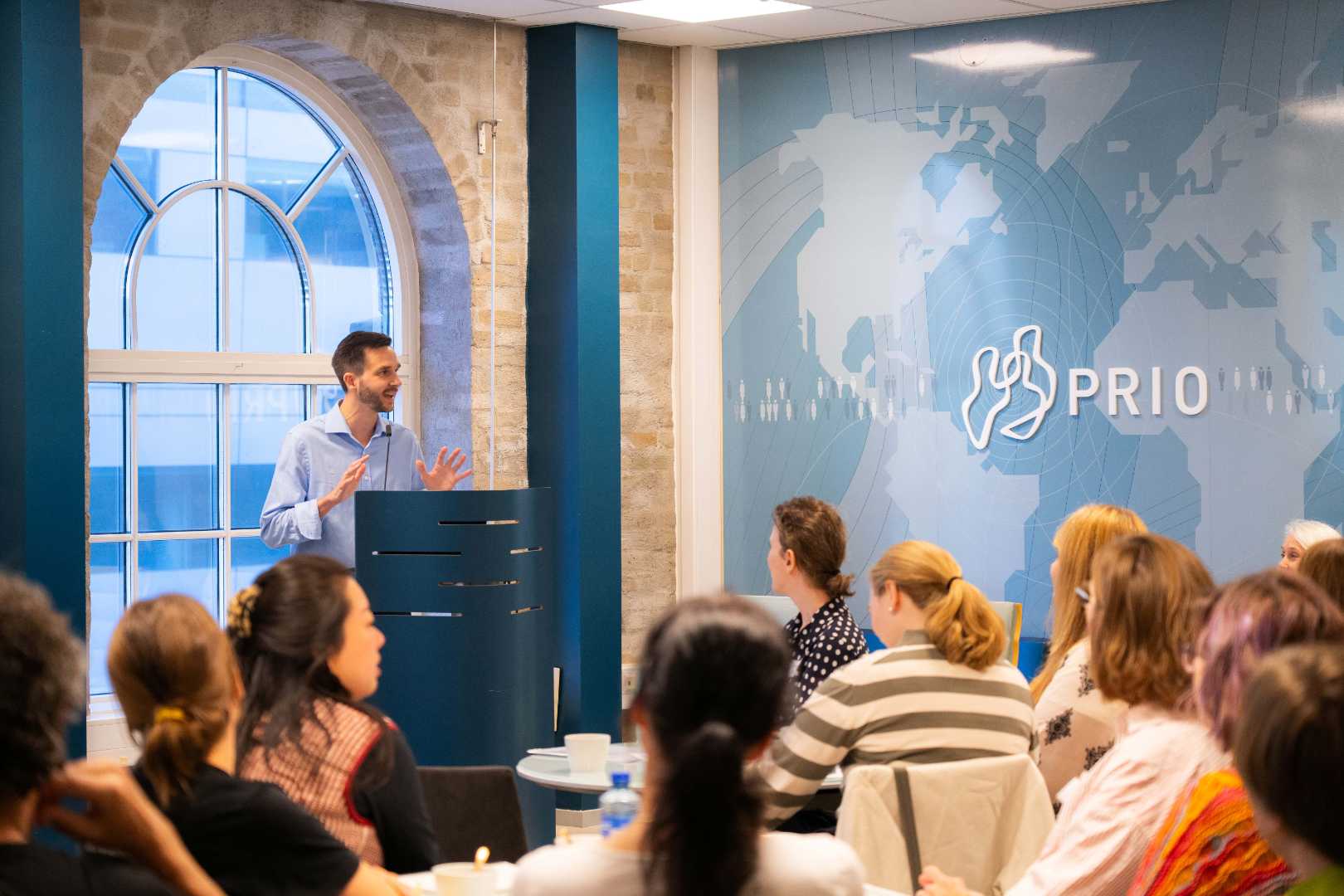
The participating projects are working in different ways to promote diversity, inclusion and equal opportunities. While some focus primarily on gender balance, others adopt broader or intersectional approaches, targeting different levels of institutions, from students and early-career researchers to senior leadership.
A central theme of the gathering was the relationship between diversity, data and institutional change. Discussions explored how organisations can measure progress, create meaningful opportunities for participation and belonging, and ensure that inclusion efforts contribute to long-term structural improvements. Throughout the day, participants highlighted the value of cross-institutional collaboration and the importance of creating spaces where knowledge, experiences and practical lessons can be shared across the sector.
Speaking at the gathering, project co-lead Lynn Nygaard said: "Not all women are the same. Addressing gender differences necessitates addressing the complexity of diversity and the importance of inclusion.”