PRIO’s first European Security Week brought together researchers and experts for a series of debates on the future of European security.
Across seven events between 18 and 22 May, the PRIO’s European Security Week examined how war, technology, energy, diplomacy and democratic resilience are reshaping security thinking in Europe.
The week started with a discussion of Norway’s role in a rapidly evolving European security landscape, setting the tone for coming days by focusing on both national choices and wider European attitudes and policies. Later sessions examined the politics of European rearmament, asking how Europe’s response to Russia’s war against Ukraine is reshaping defense priorities.
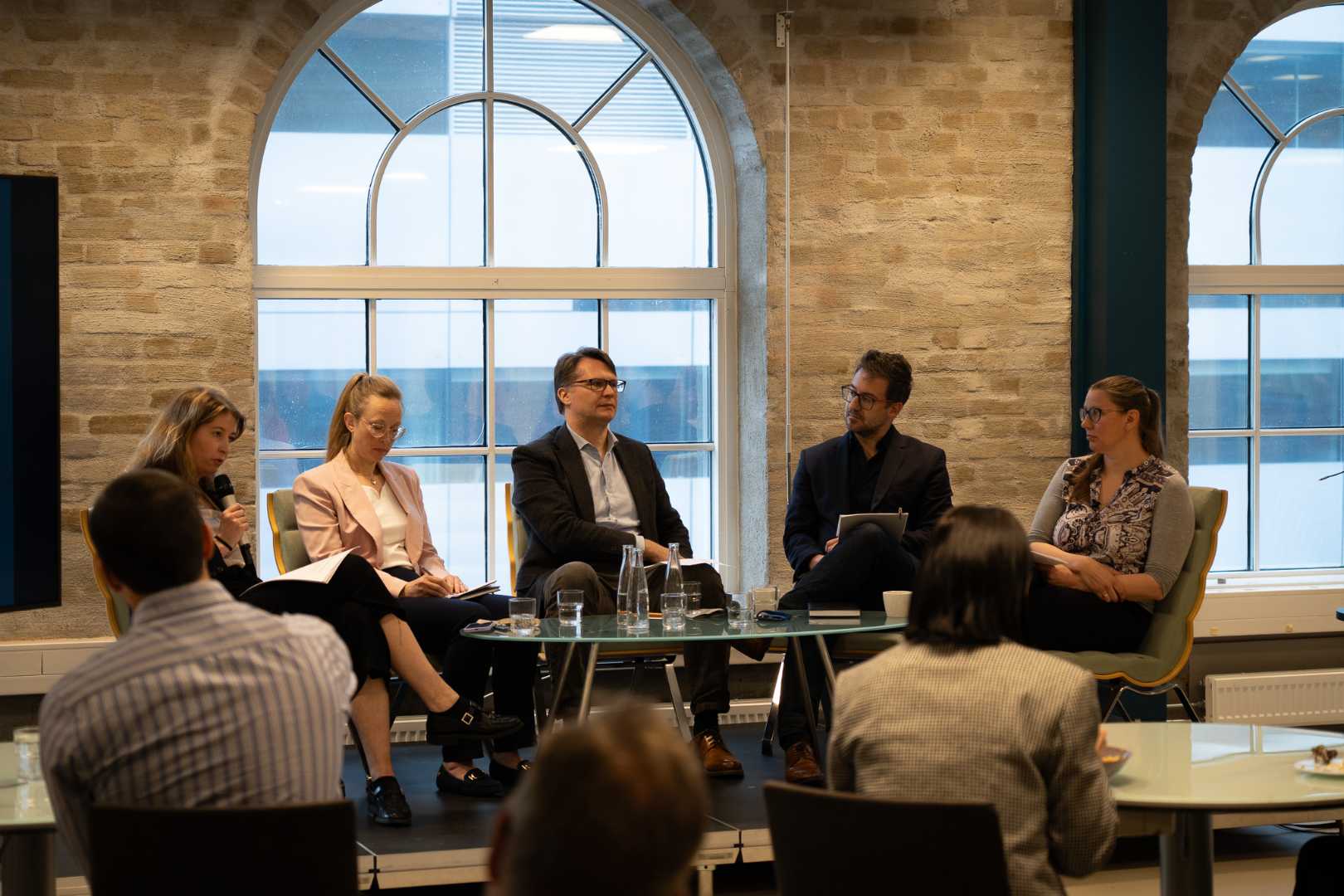
Another major thread was the changing relationship between security and technology. One session looked at how European leaders are balancing technology, energy and diplomacy, while another explored cognitive threats and democratic resilience.
Acting PRIO Director Haakon Gjerløw opened the week of events by saying, “European security and European collaboration is just not a question of defense against an external threat, but it’s also a question of maintaining peace on the continent between our allies, a continent that is not at all guaranteed to have peace when we look at the long historical line.”
When talking about teaching students about European security, Professor of European Politics at Newcastle University, Jocelyn Mawdsley stated that:
“I’m afraid what I teach has changed quite considerably. [...] I used to teach things such as the common fisheries policy and the common agricultural policy. [...] I don't anymore. I would say a third of the course now is about the European Union as an international actor, and the major implications of the war in Ukraine.”
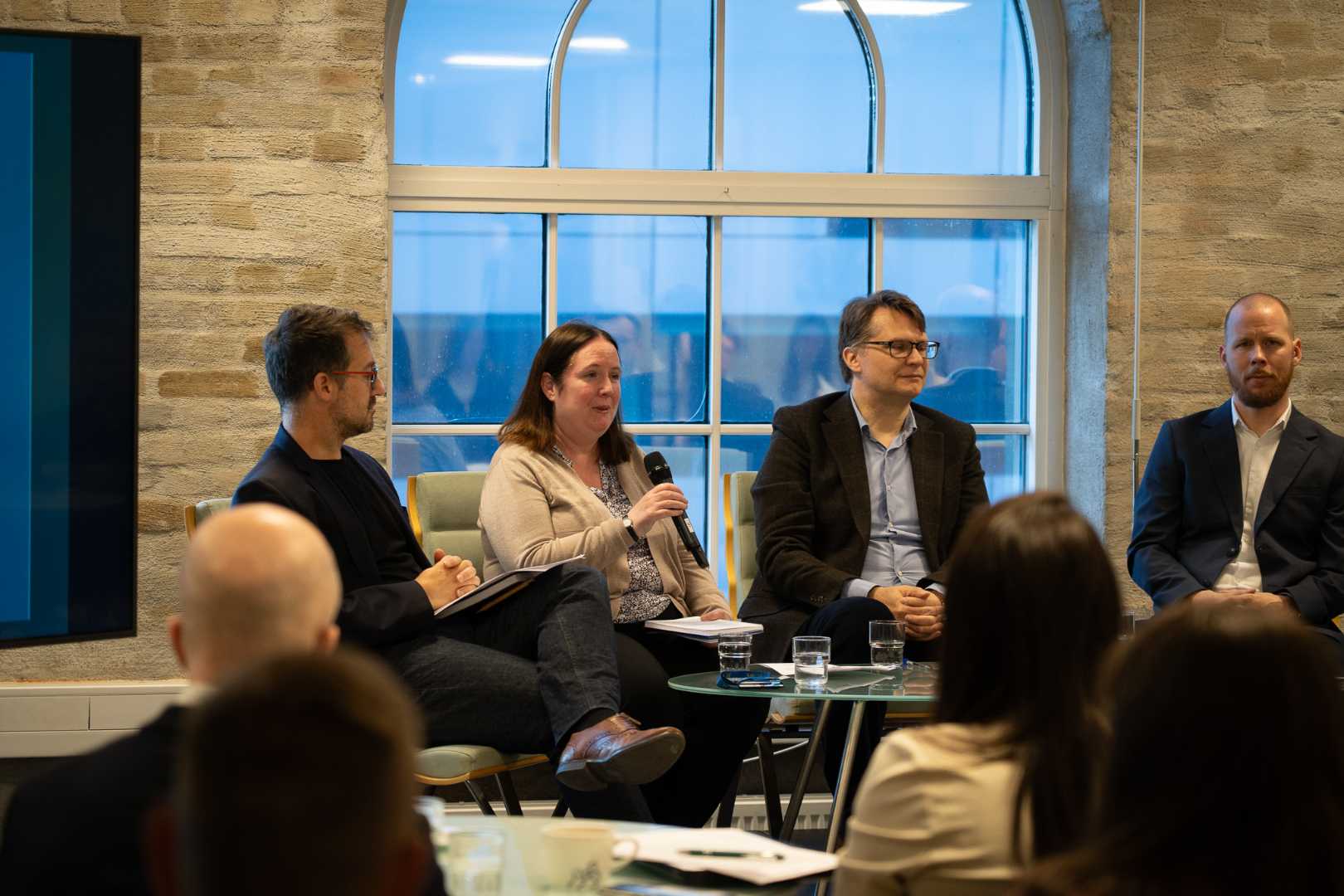
Several events focused directly on Russia and its impact on Europe through the struggle for influence between the country and the European Union, and the internal drivers of Russian policy toward Europe.
The recordings from the week are available on PRIO’s website.