Nordic cooperation is about leveraging our respective strengths while managing our differences
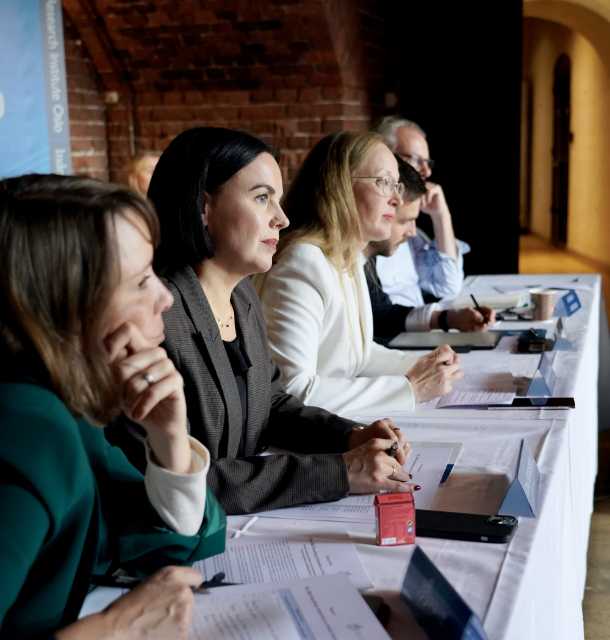
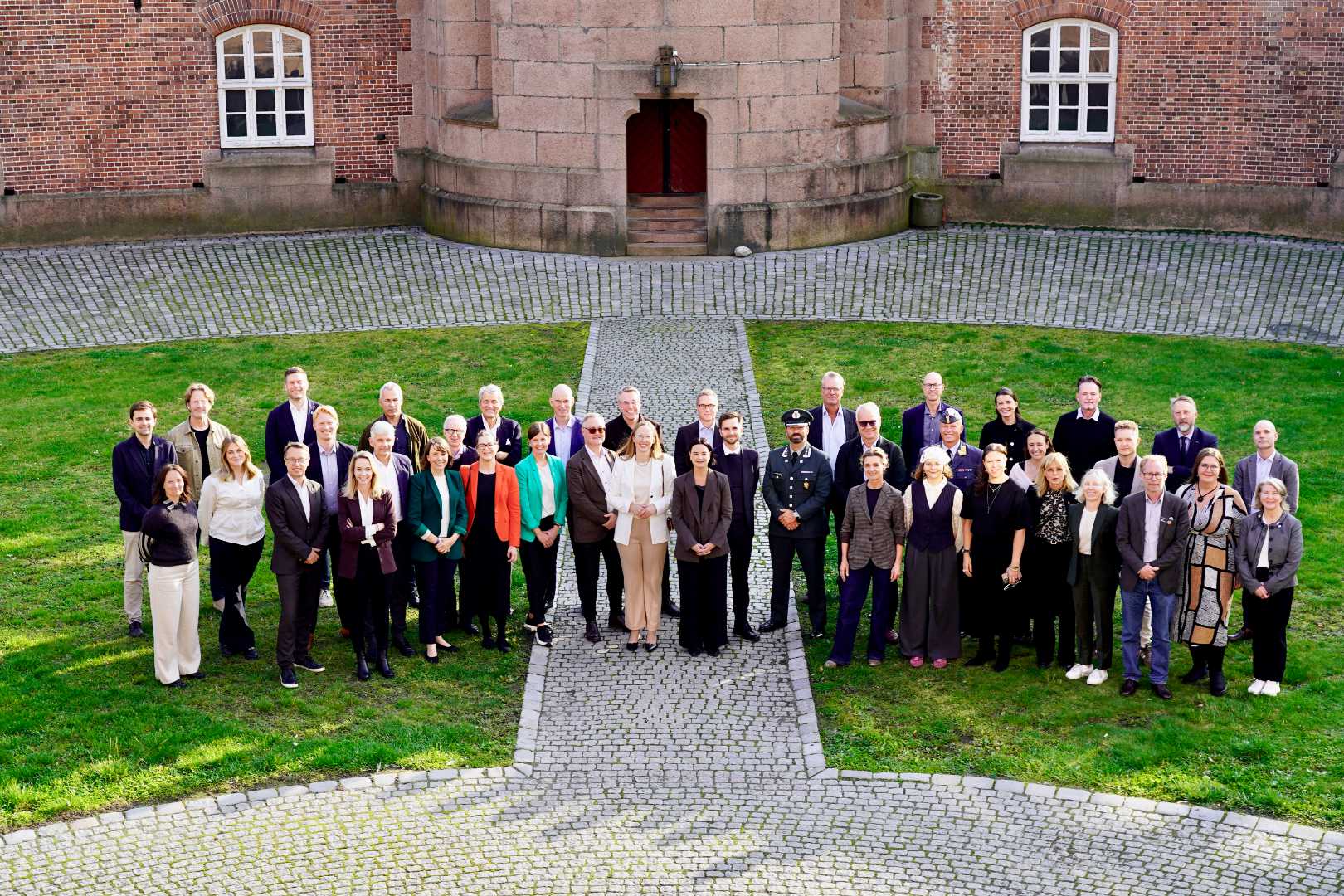
The 2026 Oscarsborg Symposium gathered leaders and experts from business, government, and research to examine the critical roles and conditions of businesses in defense and preparedness, and what these mean for how business-state collaboration and partnerships can best be organized across the Nordic countries. In turn, the discussions explored what differences and similarities between the Nordic countries reveal about the risks and opportunities for Nordic cooperation in times of crisis.
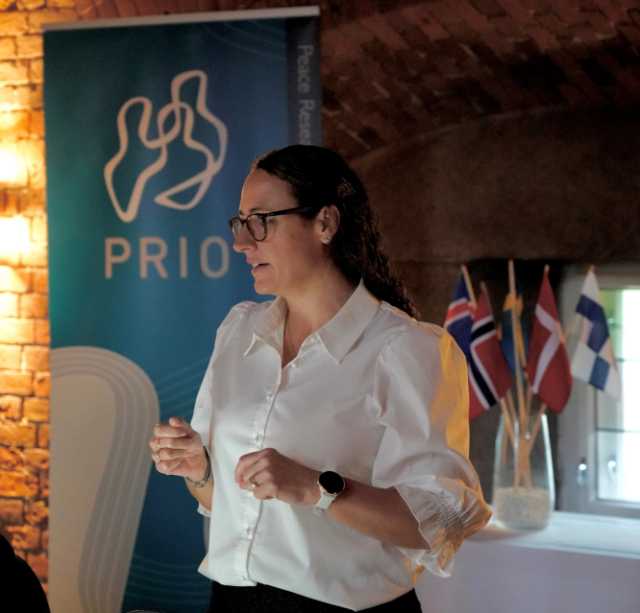
The Symposium took place at a time when Nordic cooperation is gaining momentum. Symposium Leader Louise Olsson highlighted that we now see rapid progress in concrete decisions on Nordic cooperation, including the Joint Declaration on Security of Supply, decisions by the Nordic Council of Ministers, and initiatives undertaken by businesses across the region.
Acting Fast, Staying Accountable: A Nordic Defense and Preparedness Challenge
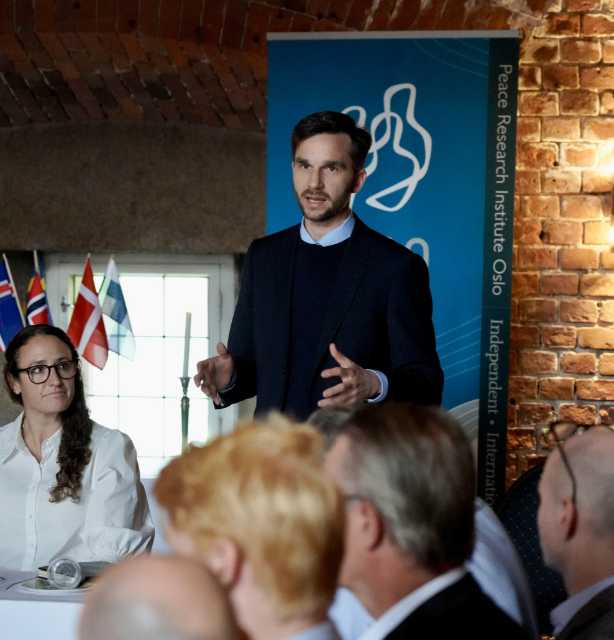
Acting PRIO Director Haakon Gjerløw identified two competing approaches to defence and preparedness that ran through the symposium discussions. The first is fast-paced, driven by a sense of urgency and the critical need to capitalize on business innovation and enterprise, technological invention, and crisis-oriented quick fixes. The second reflects the slower-moving demands of democracy: the need to regulate, promote the transparent and effective use of resources over time, and ensure accountability for decisions and public spending.
Research suggests that a sense of crisis can override otherwise established democratic principles, with decisions taken under such conditions potentially having detrimental long-term consequences. Finding ways for the state, business, and research communities to collaborate in reconciling these fast- and slow-paced imperatives should be a core principle going forward.
He underlined that the Oscarsborg Symposium offers an important arena for such exchange and networking.
Are we ready for a crisis? Business-state cooperation in defense and preparedness

The Symposium opened with a keynote by Johan H. Andresen, Owner and Chair of the Norwegian investment company Ferd and leader of the Resource Alliance, an initiative by four private companies to create a database of resources that could be valuable to the state in a crisis. The keynote was followed by a strategic panel outlining core government processes across the Nordic region.
Together, these sessions provided a detailed overview of the role of private companies in defense and examined whether Nordic states and businesses are prepared for the current geopolitical landscape and potential crisis scenarios. Moderated by Olsson, the discussions brought forward trends and logics and explored differences and similarities in Nordic state approaches to cooperation with businesses on defense and preparedness.
Several participants highlighted how geography and national history shape each country’s approach to the role of businesses in defense and preparedness. While lessons can be transferred across borders and sectors, many emphasized that Nordic cooperation is about leveraging our respective strengths while managing our differences.
Finally, participants addressed several dilemmas surrounding the private sector’s role in defense and preparedness. These included how companies can cooperate on resilience while simultaneously competing for market share, as well as questions about the appropriate level of state engagement and control in determining what the private sector should produce and how.
How do we move from decision to action? The need to mitigate risks and utilize advantages
A subsequent roundtable discussion moved deeper into the practical dimensions of state-business cooperation, focusing on how to address businesses’ main concerns in a changing security environment and how businesses themselves view cooperation with the state.
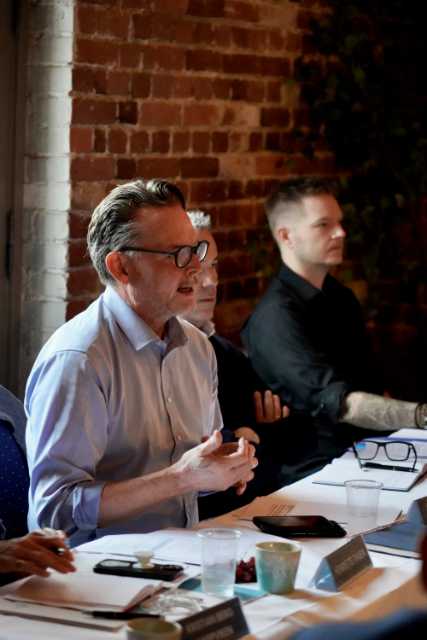
Several participants emphasized the need for partnership and to better manage information sharing. The information challenge is twofold: businesses need targeted information from the state to operate effectively in an increasingly challenging security landscape, while businesses often acquire valuable information through their operations on the ground that can help the state strengthen defense and preparedness. Both state and business actors stressed that trust is essential for effective cooperation and that information sharing must be adapted to the needs of the recipient.
Christine Torjussen at the Norwegian National Security Authority contributed to this discussion, outlining challenges when navigating the new Nordic security reality and what these can mean in practice for state-business cooperation and information sharing.
What did we learn across sectors and from research on promoting Nordic collaboration?
The final set of roundtables, moderated by Senior Researcher Stine Bergersen, focused on two sectors essential to Nordic defense and preparedness: 1) grocery retail and 2) emerging technologies in drones and robotics.
The two sectors are interesting to compare as they illustrate crucial differences, including in market maturity, the availability of funding for preparedness, opportunities for stockpiling, risks to security of supply, and the role of research and innovation. Hence, using these sectors as concrete cases, the discussions identified practical lessons about the roles and operating conditions of companies, as well as what is needed for effective business-state cooperation.
The deliberations concluded with research observations, bringing together the core issues raised throughout the discussions, while highlighting key dilemmas and areas for further attention. Here, Professor Joakim Berndtsson and Senior Researcher Maria Gabrielsen Jumbert summed up the Symposium. These research perspectives focused in particular on what the discussions imply for strengthening Nordic cooperation and collaboration around the private sector’s role in defense and preparedness.
Oscarsborg Fortress: More than a meeting place
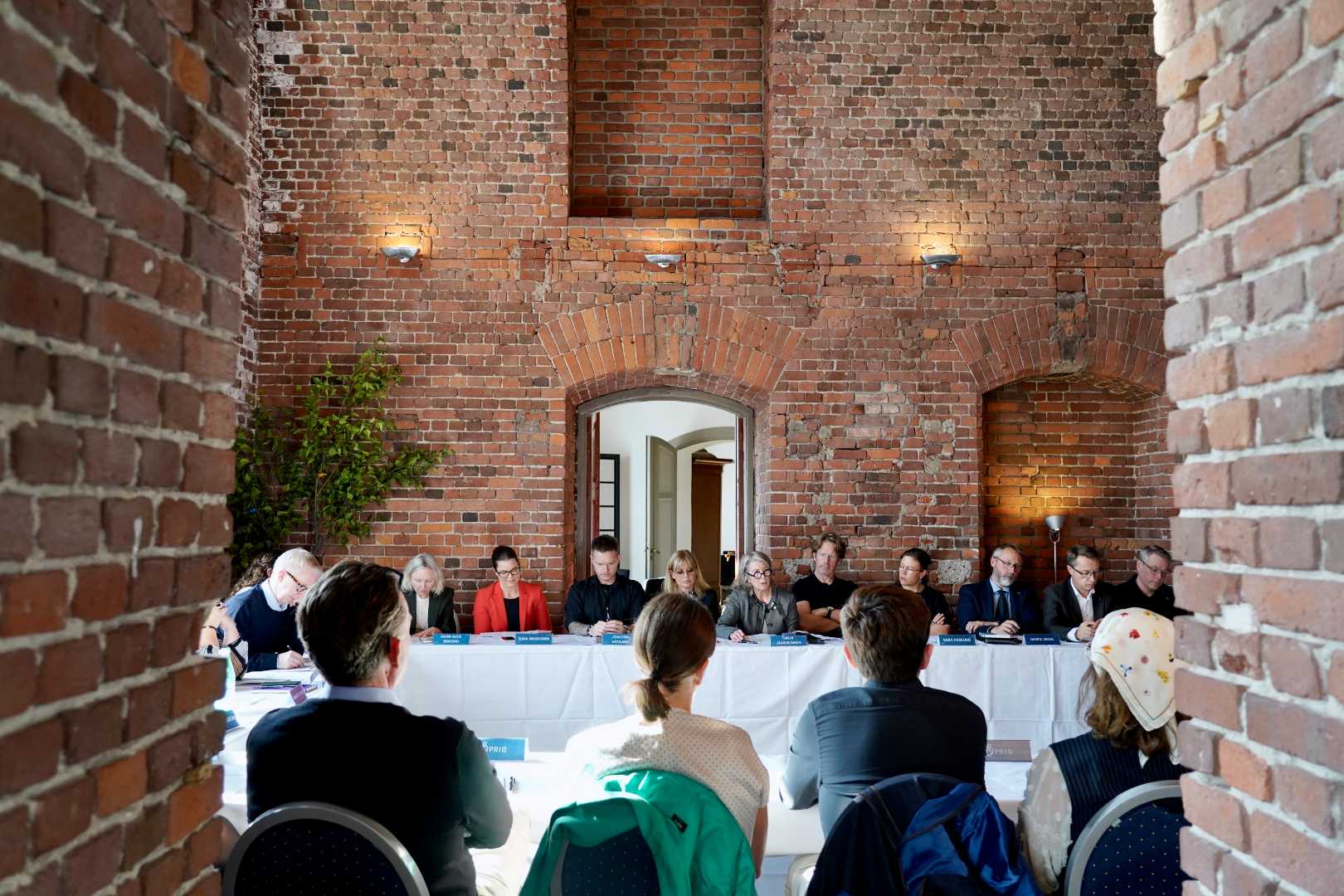
Drawing the Symposium to a close, Olsson noted that the Oscarsborg Fortress had provided a seriousness of framing that allowed for two days of active Nordic exchanges of knowledge, conversations, and new collaborations that she hoped would continue after the Symposium.
Research-policy exchanges have a key role to play in reconciling different perspectives, while structured in-depth discussion across interests and knowledge itself provides a form of risk assessment. Both are essential to finding ways to reconcile the fast and slow processes required to navigate the security landscape in the years ahead.
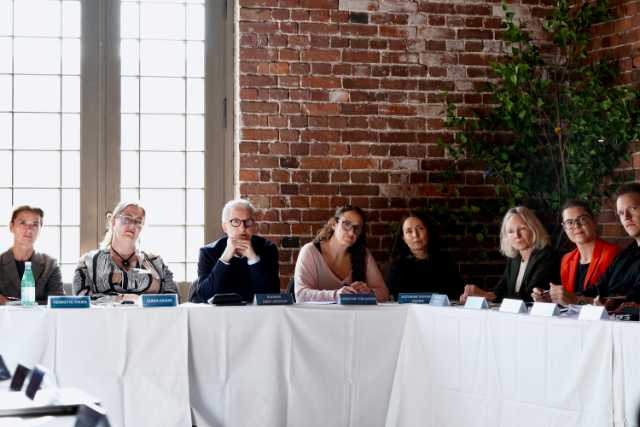
The diversity of participants reflected the challenge at the heart of the Symposium: strengthening cooperation across sectors, institutions, and national borders. Around the table were representatives from government and defense, including the Swedish Ministry of Defence, Norway’s Ministry of Industry, Commerce and Fisheries, DSB, MCF, SAMSIK, and the Norwegian Armed Forces; business organizations including the Confederation of Swedish Enterprise, Danish Industry, and the Norwegian Business and Industry Security Council; and companies such as DNB, Tine, the Swedish Food Retail Federation, NorgesGruppen, and Aker Solutions.
Olsson closed the deliberations by thanking the keynotes, speakers, and participants for two inspiring days and the PRIO team for a strong effort, not least Linn Åmot. She stated that PRIO especially appreciated the collaboration with Erling Lind at the Sat Sapienti Foundation, who's vision and funding had made the symposium possible.